

New Rules, New Maths
Old financial rules are dead. New ones favour United. Here’s why it matters.

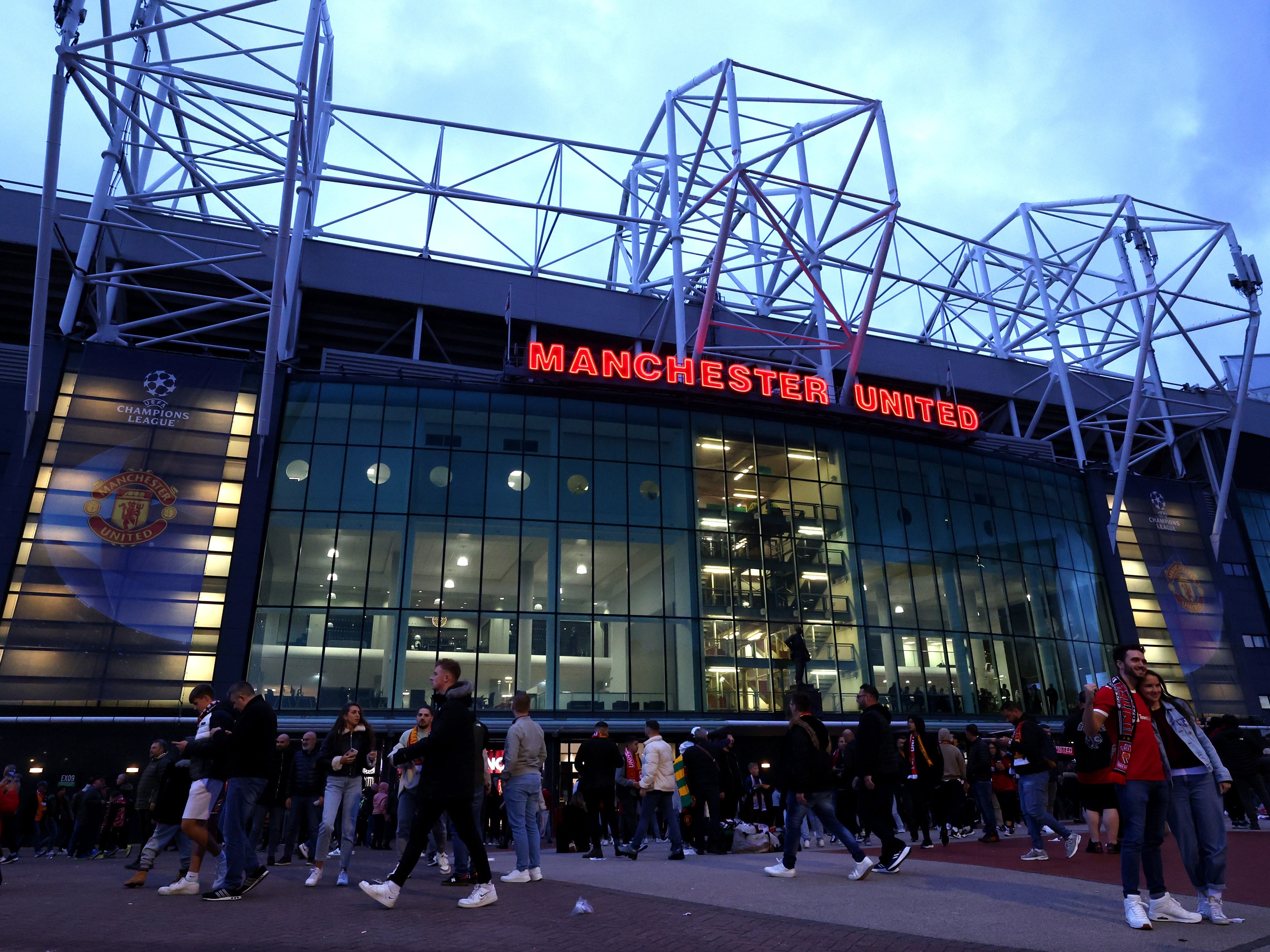
On 21 November 2025, Premier League clubs voted 14-6 to replace Profit and Sustainability Rules with Squad Cost Ratio. Manchester United voted yes. So did Manchester City and Arsenal. The clubs that voted against it – Bournemouth, Brighton, Brentford, Crystal Palace, Fulham, and Leeds – are the ones who built their models on buying smart and selling high. Well, at least some of them.
They understood what the vote meant. So did United.
PSR measured losses over a rolling three-year period. Clubs could lose £105m across three seasons before facing sanctions. The system punished spending but rewarded creative accounting – selling hotels to your owner’s other companies and stretching player contracts to nine years to minimise annual amortisation. Chelsea made an art form of it. Everton got caught trying.
SCR measures something different: what proportion of your football revenue do you spend on your squad? Keep it under 85% domestically (70% if you’re in Europe) and you’re compliant. Go over 115% and you face points deductions. The system rewards revenue generation, not accounting creativity.
For United, third in the Premier League with Champions League qualification looking very close, the timing is perfect. High revenue, restructured wages, active player trading. The new rules fit like a glove if United get it right.
Middle-tier clubs understood this immediately. Under PSR, they could buy before they sold, investing ahead of revenue. Under SCR, they’ll have to sell before they buy. The system United voted for will make it harder for mid-ranked clubs to catch the elite.
How SCR Works
Squad costs under SCR means three things: player and head coach wages, amortisation of transfer fees (spread over contract length, capped at five years), and agent fees. Everything else, such as academy costs, the women’s team, stadium operations, and debt interest, are excluded.
Thresholds depend on where you play. Domestic-only clubs can spend up to 85% of football revenue. Clubs in UEFA competitions must comply with UEFA’s threshold. The buffer exists to help clubs that drop out of Europe adjust without panic selling.
Revenue for SCR purposes means football-related income: Premier League distributions, European prize money, matchday revenue, sponsorship, commercial deals, and net profit from player sales averaged over three years. Non-football asset sales to related parties – the Chelsea hotel trick – no longer count.
Compliance is tested in-season, on 1 March, after the January window closes. In the amber zone, between 85% and 115%, clubs pay a levy but face no sporting sanction. Go over 115% into the red threshold and there’s a points deduction – six points, plus one additional point for every £6.5m over the line.
This feedback loop means clubs can’t live in the amber zone forever. Every season the 85% threshold is breached, the 30% allowance shrinks by the amount of the breach. Get compliant again and clubs rebuild the buffer at 10% per season. The system rewards sustained discipline, not one-off fire sales.
United’s Position
United’s H1 FY2026 (July-December 2025) shows revenue of £330.7m, down 3.2% year-on-year due to no European football. Full-year guidance is £640-660m. That’s the baseline for SCR calculations – before any Champions League uplift.
Employee benefit expenses for H1 were £148.7m, down 8.6% from £162.7m the previous year. That reflects headcount reductions and the departure of some high earners, like Marcus Rashford and Jadon Sancho. Annualised, total staff costs are roughly £297m – but applicable squad costs are lower.
This is the one area where cost-cutting has genuinely mattered. Redundancies, renegotiated contracts, and deadwood cleared out. None of it changes what United can spend under SCR. Revenue determines the ceiling. But it does improve cash flow. It does reduce the monthly wage bill. And it does create marginally more breathing room on a balance sheet that remains under stress. The business is healthier. The regulatory position would be almost identical either way.
Amortisation for H1 was £108.8m, up 5.9% despite player sales. The unamortised balance of registrations sits at £572.1m – the cost of De Ligt, Ugarte, Yoro, Zirkzee, and the summer 2025 arrivals still working through the books over their contract terms.
Transfer fees payable stand at £422.1m, with £184.3m due after more than one year. Maximum contingent consideration, which are add-ons not yet triggered, is another £147.8m. The instalment structure means cash outflows are spread, but the regulatory cost hits the year of signing.
United’s balance sheet shows cash of £44.4m, with £290m drawn on the £350m revolving facility. Debt totals £777m across senior secured notes ($425m), the term loan ($225m), and the revolver. United aren’t broke, but the club isn’t flush either. Player sales fund at least part of player purchases. That’s the operating model – and it’s the operating model because there’s no alternative. The regulatory headroom exists. The cash does not.
Scenario A: Champions League
United are well positioned. Third, with a six point gap to Liverpool and seven to Chelsea. With the Premier League almost certain to award five Champions League places via the UEFA coefficient ranking, United would need a meaningful downturn in form to miss out on Europe’s top competition.
Seven games remain. Liverpool need to make up 7 points on United to overtake them. Chelsea need 8. It’s not impossible if both Liverpool and Chelsea win their games against United. But given that they also play each other, it’s close. Aston Villa, also a factor, play both City and Liverpool.
Champions League qualification adds approximately £70-100m to United’s revenue base. That’s £40-50m in direct UEFA distributions, such as participation fees, coefficient share, match bonuses, and £15-25m in market pool payments. There’s also a £10m uplift from the Adidas deal, which deducts the amount for non-CL participation, and £20m in additional matchday revenue from four home European nights.
With CL qualification, United’s revenue base moves from £640-660m to approximately £710-760m. Let’s call it £735m at the midpoint for the sake of argument. The 70% UEFA threshold means permitted squad costs of £514.5m.
Current estimated squad costs are £400-440m (wages around £200m+, annual amortisation around £217m, and agent fees £20-30m - all guestimates since its not fully broken down in United’s accounts). That gives an SCR of approximately 55-60% against the £735m CL-adjusted revenue base. Headroom of £75-115m before hitting the 70% threshold.
In other words, the maths is comfortable. United can absorb new signings, pay Champions League bonuses, increase wages for contract renewals, and amortise summer transfers without stressing SCR. Champions League qualification doesn’t just bring revenue – it brings financial flexibility under the new rules.
But headroom isn’t cash. United’s problem this summer won’t be what they’re allowed to spend. It will be what they can actually afford to spend. Just £44m in cash, £290m already drawn on the revolver, £422m in transfer instalments due – these are real constraints that exist independent of any SCR calculation. The rules permits spending, but someone still has to fund it.
Scenario B: Europa League

For United to drop to sixth would represent a significant collapse at this stage. Let’s consider the worst-case scenario for a moment. Assume United finish sixth and have to suck up a return to Thursday night football.
Europa League revenue is materially lower. Group stage participation is worth approximately £15-25m in UEFA distributions versus £40-50m for the CL. Market pool payments are smaller. The Adidas uplift doesn’t apply. Total revenue impact: roughly £40-50m less than the CL scenario.
With Europa qualification, United’s revenue base would be approximately £680-700m – current guidance plus smaller UEFA distributions. UEFA’s 70% threshold still applies as any European football triggers the stricter cap.
Permitted squad costs at 70% of £690m: £483m. Current estimated squad costs of £420m give an SCR of approximately 61%. Headroom shrinks to roughly £60m – still comfortable, but noticeably tighter than the Champions League scenario.
The real cost of Europa League football isn’t regulatory. It’s commercial and reputational. Bruno’s release clause, which is active for non-Premier League clubs this summer, is more likely to be met with a positive answer. Top transfer targets are harder to attract. Partners are less likely to come forward to fill United’s training kit/ground sponsorship gap. The financial gap to rivals widens. Europa League is survivable under SCR. It’s just not where United want to be.
This is where the club’s cost discipline becomes more important. Wage reductions, headcount cuts, and tighter operational spending – under a Champions League scenario, these savings are nice to have. Under a Europa League scenario, they become more important. Less revenue means less cash. Less cash means every saving matters. The business rationalisation the club made doesn’t change what United can spend under the rules. But cuts do affect what United can actually afford to spend. If the worst happens, the cost-cutting provides a slightly larger margin of error.
Player Trading as a Weapon
Under SCR, player trading profits aren’t just about balancing the books at year-end. They’re added to the revenue base and averaged over three years. A big sale in summer 2026 boosts spending capacity in 2026/27, 2027/28, and 2028/29.
Academy graduates are the ultimate weapon. A player developed internally has a book value of zero. Sell the next Garnacho for £40m and the entire fee is profit. That’s £13.3m added to the revenue base for each of the next three seasons – increasing the amount United can spend on squad costs by £9.3m annually, at the 70% threshold.
United’s H1 FY2026 profit on disposal of intangibles was £48.2m, driven by the sales of Garnacho and Antony. More will come if Napoli exercise the option on Rasmus Højlund for around £38m or if Barcelona actually stump up the £26m to secure Marcus Rashford. Player sales aren’t just cash - they’re ammunition.
The flip side: buying players increases amortisation. Sign someone for £80m on a five-year deal and you’re adding £16m to squad costs annually, plus wages. The system incentivises buying younger players on longer contracts and selling at peak value to maximise profits.
But here’s the critical point: player trading is also the quickest way for United to boost the summer budget. There is no fresh equity injection coming from Jim Ratcliffe. The revolving facility is already 83% drawn. Cash on hand is £44m. United’s summer budget isn’t really determined by SCR headroom. It’s determined by how much United can generate from sales.
Højlund’s option, Rashford leaves. Maybe even Bruno goes. Casemiro’s wages are definitely coming off the books. That’s an £18m annual saving.
These aren’t SCR calculations. They’re cash calculations. United’s summer spending is constrained not by the rules but by liquidity.
SSR Tests
SCR governs spending. SSR governs solvency. Both come into effect from 2026/27, and both must be passed. United could be compliant on SCR and still face sanctions if SSR tests are failed.
Working Capital Test: United must demonstrate £12.5m minimum cash or accessible liquidity for every month of the season. As of December 2025, cash was £44.4m with £60m undrawn on the revolving facility. That’s a total accessible liquidity of around £104m. Currently passing, but the margin could tighten if the revolver is drawn further for summer transfer activity.
Liquidity Test: United must survive an £85m “stress test” – the estimated revenue hit from relegation or losing a major sponsor. For this test, clubs can count 40% of squad market value as a liquid asset. With a squad valued at around £500m+, that’s £200m of notional liquidity. United should pass comfortably.
Positive Equity Test: Liabilities divided by adjusted assets must be no more than 90% in 2026/27, dropping to 85% in 2027/28 and 80% from 2028/29 onwards. United’s balance sheet shows total equity of £190.7m. Total borrowings are £777m. This bears watching.
SSR tests are where United’s debt structure matters. The Glazers’ leveraged buyout loaded the club with borrowings that still constrain the balance sheet. Stadium financing could add more, depending on the financing structure. SCR may favour high-revenue clubs, but SSR ensures they can’t leverage themselves into oblivion. The rules work in tension.
United’s Summer Spending Capacity
Champions League scenario: Revenue around £735m. Threshold 70%. Permitted squad cost £514.5m. Current squad cost around £420m. Headroom around £95m. That headroom supports significant transfer activity – roughly £300-400m in total transfer value over contract periods, assuming wages are controlled.
Europa League scenario: Revenue around £690m. Threshold 70%. Permitted squad cost £483m. Current squad cost around £420m. Headroom around £63m. Still workable, but less room for error. Major signings require corresponding sales to stay compliant.

But regulatory headroom isn’t the same as cash. United’s balance sheet is tight – there are real cash constraints even if the club’s EBITDA will look very healthy if Champions League football returns. Player sales must fund some player purchases. That’s the operating model.
Realistic summer budget: over £100m net spend if Champions League, funded by Højlund and Rashford options and likely Ugarte and Zirkzee sales. The nuclear option of selling Bruno will bring in a seemingly modest sum of £55m if the release clause is activated. But United would also have to fund a replacement.
Add incremental revolver debt, and the budget rises to £150m+ net if multiple exits occur. But since the owners will not inject more equity, the money has to come from somewhere.
This is the gap between what SCR permits and what United can actually do. The rules say United could add significantly to their squad costs. The balance sheet says United need to sell before they buy. Both statements are true.
Wage Controls: the Mainoo Question
Mainoo is 20, English, an academy graduate, and now back in the United side and performing to a high level. He’s also on £25k a week – a contract signed before he became a regular starter. Comparable players at the same age – Bellingham, Pedri, Rice before Arsenal – were on more like £150-200k. The gap is vast.
Under the old PSR system, this mattered for profit and loss. Under SCR, it is relevant for spending capacity. Every pound saved on Mainoo’s wages is a pound available for other squad costs. Keeping him on low wages is regulatory arbitrage – real value that doesn’t show up in the amortisation line.
But it also matters for cash. If Mainoo signs a new deal at £150k a week, that’s an additional £6.5m annual wage cost. Under SCR, United have the headroom to absorb it. In cash terms, United are watching the pennies.
The risk is obvious. If Mainoo doesn’t sign a new contract, his value depreciates as the existing deal runs down. In the unlikely scenario that Mainoo leaves when his contract runs out in 2027, United lose both the player and the academy profit they could have booked on a sale. The SCR system makes player retention a financial calculation, not just a sporting one.
The same logic applies to other low earners who might be looking at contract negotiations as their deals wind down.
Squad construction under SCR requires clubs to think about wages, amortisation, and contract length simultaneously.
This is the future INEOS are building towards. Younger players, lower base salaries, heavily incentivised deals, and longer contracts. The Ed Woodward era of paying huge fees and wages for players past their peak is structurally impossible under the new rules. The maths simply doesn’t work.
The System Rewards Revenue
United voted for SCR because they understood what it meant. High-revenue clubs get more headroom. The gap between the elite and the rest becomes structural, not cyclical. The rules don’t prevent spending – they reward earning.
From third place with seven games remaining and Champions League qualification likely, United enter the SCR era in a strong position. Revenue of £700m+. Squad costs under 60% of revenue. And there will be a healthy amount of headroom, depending on the final league position.
The constraints are real but manageable. Debt service of around £35m annually. Transfer instalments of £422m. A balance sheet that will face tighter SSR tests over the coming years. Stadium financing that remains unresolved. These are challenges, not crises.
This summer will reveal how the club intend to use their advantage. United’s midfield needs addressing – Casemiro is leaving, Ugarte will be sold, Mason Mount is never fit, and Bruno could follow. United need a centre-back if Maguire goes. Maybe anyway, given the injury history in that area of the squad. There’s a gap on the left wing. Probably with both full-backs too.
SCR is a system United voted for. Now they have to prove they can use it. The old excuse was financial constraints. Under the new rules, that excuse no longer holds. United have spending capacity. Cash is in short supply. The only question is whether United can sell enough to fund what they need.
The system rewards revenue. United have that. The system doesn’t provide liquidity. United must, somehow, generate it.
Great explainer Ed, Question though on what the playing wages for SQR actually end up at? With the CL wage uplift - as I think you imply it with wages to £200m from £150m - this squad wage number just sounds far too low. The 2025 number was £310m and 2024 was £360m (I assume non playing staff is the major discrepancy). Also when I read Liverpool’s wages at £400m plus (I disregard City’s but Liverpool should be a good comp with non playing staff the same size after our redundancies).