

The Quiet Man Returns
Michael Carrick and the art of the interim

Some time this week, Carrington. Michael Carrick walks through the doors for the first time since 2022. The same corridors he walked for 12 years as a player. The same training pitches where he won five Premier League titles, a Champions League, three League Cups. The same building, well sort of, where he sat on the coaching staff under Mourinho, then Ole, before stepping into the breach himself when Solskjaer was sacked in November 2021.
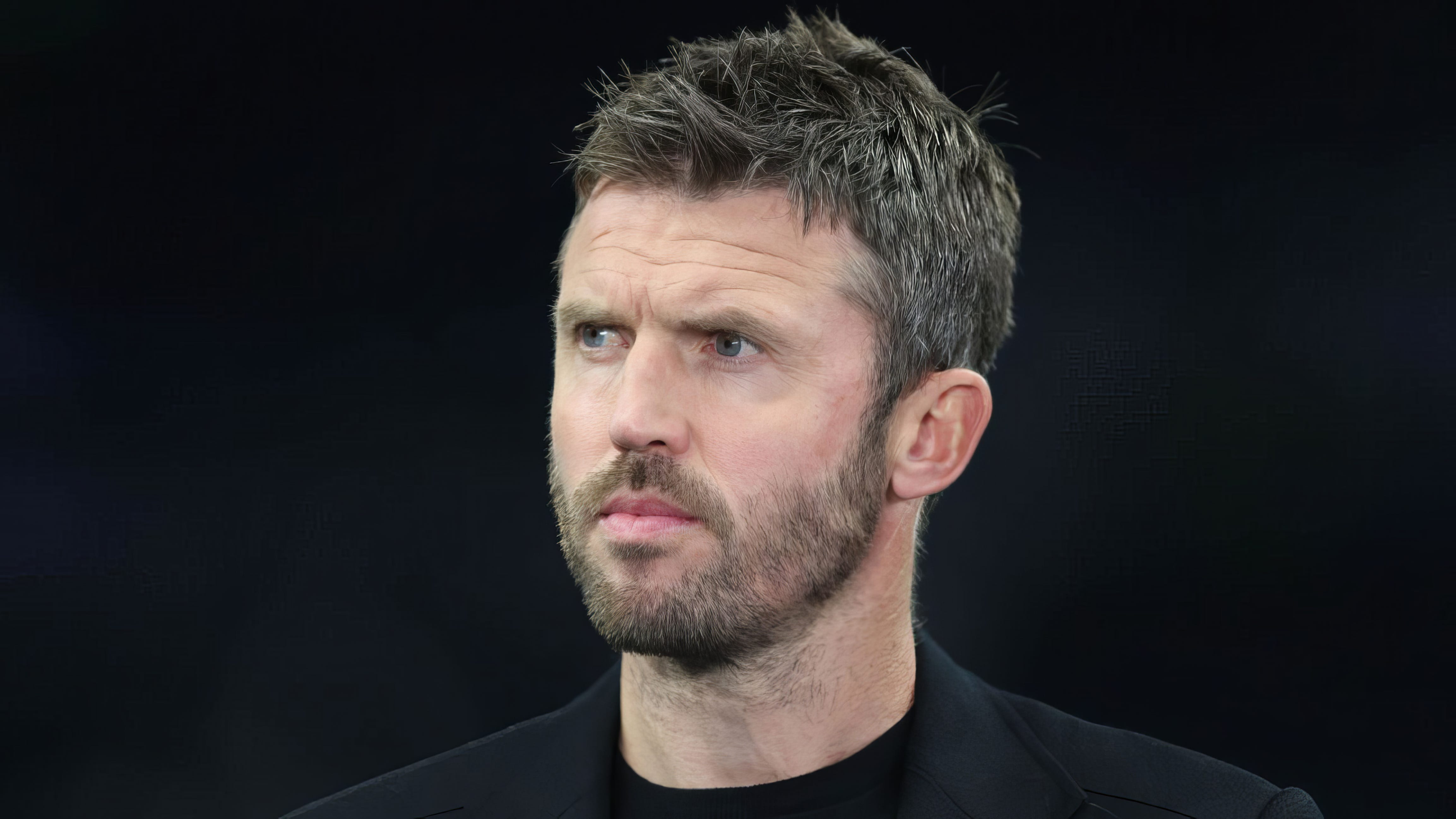
That interim spell lasted three games. Beat Villarreal in the Champions League. Drew with Chelsea. Beat Arsenal. Then off to Middlesbrough to build something of his own, away from the shadow of Old Trafford.
This time it’s different. This time it’s 17 games. Half a season. A Champions League place to chase and a fanbase exhausted by the drama.
Carrick isn’t here to save Manchester United. He’s here to stabilise it - to stop the bleeding long enough for the club to make a proper decision about who should. It’s a thankless job. But someone who understands the weight of the badge has to do it.
The numbers tell the story. Ruben Amorim: 14 months, 63 games, 24 wins. A 38% win rate - the worst of any permanent United manager in the Premier League era. Two clean sheets in 23 league games. The eighth-worst clean sheet record of any manager in the competition’s history. On pace for 57 points, which in most seasons wouldn’t sniff the top six.
The manner of the ending told another story. The Friday meeting with Jason Wilcox that went sideways. The “do your jobs” press conference after the Leeds draw. Sacked 19 hours later, walking through Cheshire with his wife, smiling for the first time in weeks.
Under Darren Fletcher’s brief caretaker spell the chaos hasn’t subsided. It’s three wins in the past 13 games. A squad that looked confused, dispirited, unsure whether they were coming or going.
And yet.
United have the second-highest expected goals in the Premier League this season. The attacking talent is there: Sesko, Cunha, Mbeumo, Bruno, Amad. The problem isn’t creation. It’s conversion. And it’s the defence. It’s a team that generates chances and ships goals in roughly equal measure, which is no way to win football matches.
The opportunity, strange as it sounds, is real. The projection models say 61 points should be enough for fifth place, and Champions League qualification this season. It’s six below the historical average. Villa are massively out-performing their data. Chelsea have depth but not quality. Liverpool’s squad is unbalanced. Newcastle are inconsistent. The race for third through sixth is wide open, and United have one advantage none of their rivals possess: no European football. One game a week until May. A rest and preparation edge that has to count for something.
It’s the one silver lining of losing the Europa League final to Spurs. Though “silver lining” might be generous for a surrender that abject.
Why Carrick, why now
The process that led here matters.
Fletcher got two games. The club took a week, possibly longer, to assess options. Ole Gunnar Solskjaer was reportedly the initial frontrunner - the familiar face, the man who knows the club, the safe pair of hands. Then the interview process changed their thinking.
That’s actually a good sign. It suggests someone at the club is asking questions. Whether they’re the right questions remains to be seen, but asking them at all is progress.
Carrick and Ole are different profiles. Ole is a man-manager: vibes, belief, the power of positive thinking. His United teams played transitional football, direct and counter-attacking, until he tried to evolve into something more possession-based in his third season and it all fell apart. At Besiktas, he took them from the relegation zone to Conference League qualification, then got sacked after losing a playoff. The league form was good; the cup exit was fatal. Turkish clubs can operate ruthlessly.
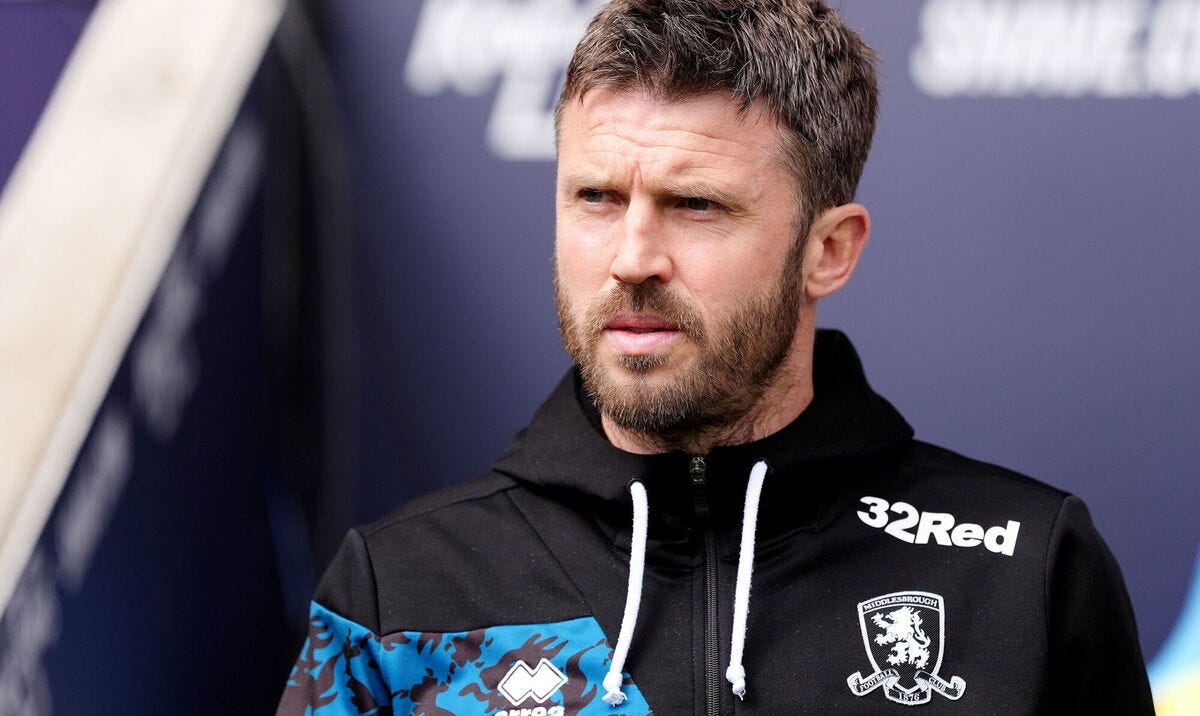
Carrick is a coach. More tactically detailed, more pragmatic, more willing to adjust. At Middlesbrough he got them into the playoffs and a League Cup semi-final. The style was criticised by some fans as prosaic, maybe cautious. But the results were there until Steve Gibson sold key players from under him and the third season went wrong.
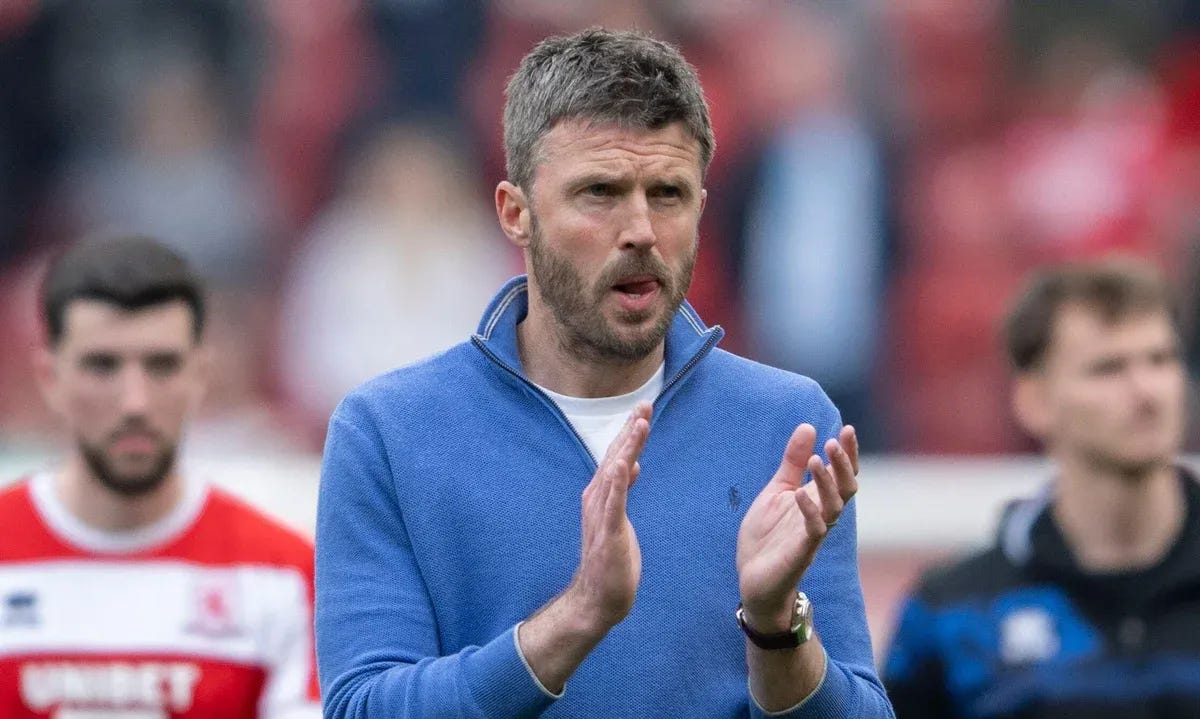
The case for Carrick over a bigger name is simple: risk management. The ceiling might not be as high, but perhaps the floor is higher too? Mid-season appointments from abroad have a recent and catastrophic precedent at this club. International managers are unavailable during a World Cup year. Premier League managers are reluctant to move mid-season. And the last thing United need is another roll of the dice on someone who doesn’t understand what they’re walking into.
Carrick turned down West Ham talks to take this job. That tells you something. He sees it as a launchpad, the chance to prove himself on the biggest stage, to platform the rest of his managerial career. Unlike Ole, who might have seen a path back to the permanent job, Carrick has no illusions about what this is. Seventeen games. Get results. Hand over a squad in better shape than he found it.
It’s not glamorous. But then, Michael Carrick never needed the glamour.
The man
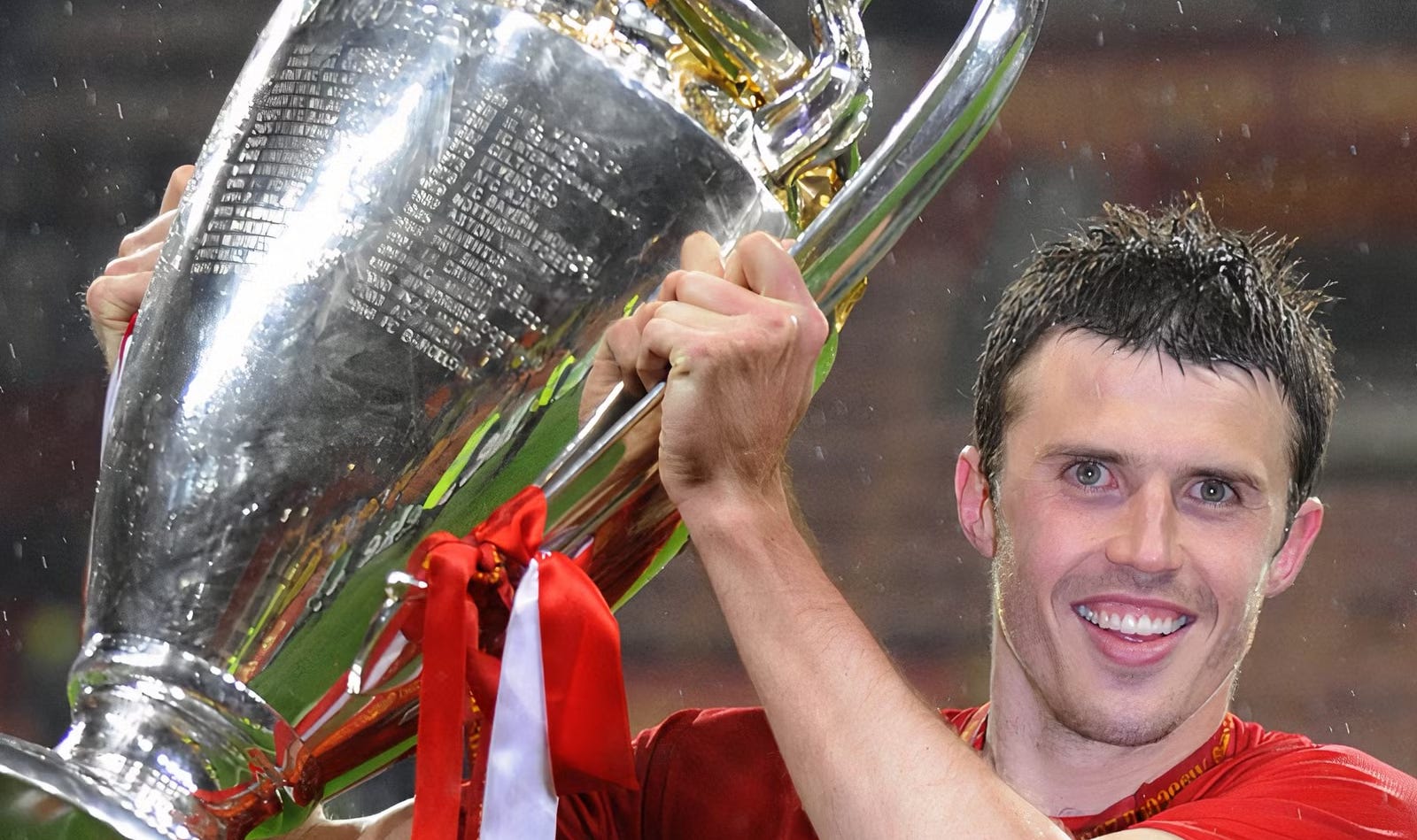
Twelve years, 464 appearances. Five Premier League titles, a Champions League, an FA Cup, three League Cups. The metronome in midfield that made United tick through the final Ferguson years and into whatever came after.
Paul Scholes got the headlines. Carrick made it work.
He was criminally underrated - Ferguson said so himself. Should have won more England caps. Should have been talked about in the same breath as the great midfielders of his generation. Instead he did the unglamorous work: recycling possession, finding angles, keeping the ball moving, allowing the stars around him to shine.
Quiet. Understated. Almost pathologically modest. Not a shouter, not a motivator in the chest-thumping, hairdryer sense. He leads by example, by standards, by quiet expectation. The kind of player who made everyone around him better without ever demanding credit for it.
He was there for the last title in 2013. He was there for the decline that followed - the Moyes chaos, the Van Gaal experimentation, the Mourinho intensity, the Ole optimism. He knows what the club should feel like. He knows what it currently doesn’t.
That connection cuts both ways. In recent times “DNA” has been used as a pejorative in the media, as if any appointment of someone who gets the club is a sign of weakness. It’s become a stick to beat people with on social media too; a disqualification from managing United. The cynicism is understandable. The club has tried this before, multiple times, and here we are again. But the alternative isn’t obviously better. Amorim understood nothing about English football or United - and it showed. Ten Hag understood nothing about English football or United - and it showed. At some point, knowing where you are has to count for something.
If Carrick fails, another ex-player’s reputation gets damaged. That’s the risk he’s taking. He’s taking it anyway.
What to expect: the tactical picture
Middlesbrough played primarily in a 4-2-3-1, occasionally shifting to a 4-3-3. More possession-oriented than Ole’s transitional approach, but pragmatic - willing to adapt to opponents, willing to change shape, willing to do what the game required rather than insisting on ideological purity.
That flexibility might be exactly what United need after 14 months of Amorim’s rigidity. Players caught between systems, unsure of their roles, an out-of-possession plan that leaked goals like a colander. Two clean sheets in 23 games isn’t a personnel problem. It’s a coaching problem. It’s a system problem.
That is where Carrick’s approach should help most. United’s defensive issues are structural: players attracted to the ball, massive gaps appearing in central areas, full-backs caught upfield, centre-backs wandering into midfield. The basics have been neglected. Amorim’s back three created confusion rather than security. One extra defender did not mean better defending. One fewer midfielder, still led to the same number of goals conceded. The worst of both worlds.
Carrick will likely install something more conventional. A compact block. Clear responsibilities. Players who know where they’re supposed to be and stay there. It’s not revolutionary. It shouldn’t need to be. United have conceded 1.56 goals per game from 1.33 expected goals against - they’re shipping more than they should, which suggests defensive disorganisation rather than a lack of talent.
In possession, the changes are significant. Bruno Fernandes returns to his natural position at 10 - drifting, creating, doing what he does best rather than being shunted deep to accommodate a system that didn’t suit. Kobbie Mainoo slots into a double pivot with Casemiro, with more license to receive between the lines, to carry the ball forward, to do the things he does brilliantly rather than being squeezed out of the team entirely.
Under Amorim, United’s attacks often faltered in wide areas, with only Amad able to offer any real quality from wing-back. The reliance on Dalot and Dorgu to create was criminal.
When Carrick deploys two regulation full-backs there’ll be a more balance between central build-up and width in attack. Carrick’s Middlesbrough often built asymmetrically, with one full-back pushing high and the other inverting into midfield. That might suit both Shaw and Mazraoui, respectively.
But the new coach will have to work out how to get the best out of Bruno, Cunha, and Mount - players who like to occupy the same zone - and create width at the same time. With Mbeumo and Amad also keen to cut inside, the squad no longer has any natural wingers. That’s a weakness.
The risk is United become predictable, easy to defend against, especially for teams willing to sit in a low block and clog the middle.
Winners and losers
The winners:
Mainoo is the obvious one. There’s an extra place now - a three-man midfield is his natural habitat - receiving between the lines, carrying forward, linking play. He’s gotten visibly stronger in his absence from the team, outmuscling opponents in ways he couldn’t a year ago. The kid is ready. He just needs the opportunity.
Sesko benefits from having more bodies around him. Under Amorim he was often isolated, a lone striker asked to hold the ball against two centre-backs. With Bruno behind him and wide players actually providing width, he’ll have runners, options, service. The goals will come.
Casemiro can play once a week. No midweek football for months. The legs that looked gone might have some life left in them yet when you’re not asking a 33-year-old to play every three days. And he’ll have a more focused role.
Mazraoui and De Ligt return from injury into a more stable structure. A back four with clear responsibilities rather than the hybrid chaos of Amorim’s system. De Ligt does box defending well - he’s not the quickest or the best passer, but he defends his area. He’ll enjoy something that looks like back-to-basics. Mazraoui is always going to be an upgrade on Dalot at right-back.
The losers:
Mason Mount’s off-ball work was valuable in Amorim’s system - the pressing, the running, the energy. In a 4-2-3-1 with Bruno at 10, where does he play? Behind Bruno in the pecking order. Competing with better players for fewer spots. His United career continues to feel cursed.
Matheus Cunha is a brilliant player who wants to occupy Bruno’s zones. Oil and water. You can’t have both of them drifting into the same central areas and expect it to work. Someone has to sacrifice, and it won’t be the captain. Matheus will have to find a way to use wide areas better than is his natural instinct.
Dorgu may find opportunities harder to come by too. The wing-back role suited his athleticism; a conventional back four with specialist full-backs is a different proposition.
The question marks:
Lisandro Martinez. The passing is elite, the best ball-playing centre-back at the club. The defending since returning from injury has been erratic - wandering into midfield, leaving gaps, making decisions that don’t work. He’s been out for a year. Maybe he needs time to readjust. Or maybe there’s something more fundamental going on.
Luke Shaw. Shaw’s performances on the left-side of the back-three have been competent enough. But can he get up and down the pitch as a full-back and have his body hold up? History says injury is inevitable.
The 17-game audition
No European football means one game a week until May. It’s an advantage United have to exploit.
Look at the schedule for rivals. City, Arsenal, Liverpool, Chelsea - all chasing multiple competitions. All playing every few days from February onwards. All with squads that will be stretched, legs that will tire, rotation that will force compromises. United can name their best team every single week. Fresh. Prepared. Ready.
It has to count for something. If it doesn’t, there are no excuses left.
The target is clear: More than 60 points for Champions League qualification, based on current projections. United have 26 from 21 games. That means roughly 35 from the remaining 17 - a shade over two points per game. Achievable if the defence tightens up and the attacking talent converts chances at a reasonable rate. Not easy, but possible.
What does success look like? Top six, will achieve European football. Top five qualifies for the Champions League - and if an English team wins the competition, sixth might do it as well. The coefficient is high. The path is there.
What does failure look like? Missing Europe entirely. Another summer of sell-to-buy with reduced spending power. Good managers looking elsewhere because why would you take a job at a club that’s been out of the Champions League for multiple seasons, that can’t afford to back you properly, that has a track record of chewing up and spitting out anyone who tries?
The stakes are real. The margin for error is small. Carrick has 17 games to prove that the patient can be stabilised.
This is the quiet man’s burden
Here’s the thing about interim appointments: no one will be satisfied.
The fanbase is exhausted. Cynical. Running on fumes after years of false dawns and broken promises. Another ex-player, another bridge appointment, another cycle of hope and disappointment. It doesn’t matter who the club picked - the reaction would have been the same. We’ve been here before. We’ll probably be here again.
Carrick could do everything right and still be a footnote. Get the results, secure Champions League football, hand over a functioning squad - and the credit goes to whoever comes next. The permanent appointment. The real manager. The one who gets to build something rather than just keeping the lights on.
That’s the nature of the job. Someone has to do the unglamorous work while the club figures out whether it’s Nagelsmann or Tuchel or Enrique or some name we haven’t even considered yet. Someone has to get results while the adults in the boardroom pretend to have a plan.

Carrick spent 12 years making Scholes and Rooney look good. Doing the unglamorous work in the middle of the park. Finding the angles, keeping the ball moving, creating space for others. Never demanding credit. Never needing the spotlight.
Now he’s doing it again. The unglamorous work of keeping United afloat while everyone else argues about the future.
When he left in 2022, he wanted to prove himself as a manager in his own right. Away from Old Trafford. Away from the pressure and the scrutiny and the impossible expectations. Three years at Middlesbrough. Playoffs, cup runs, a reputation built on his own terms.
Now he’s back. Not as the saviour. Not as the answer to United’s problems. As the stabiliser. The comma before the next sentence.
Seventeen games. One game a week. A Champions League place to chase.
It’s not the glamorous role. But then, Michael Carrick never needed the glamour. He just needed the ball at his feet and a job to do.
He’s got both now. The rest is up to him.
Good piece and great writing as always! I'm consistently impressed with how well you convey thoughts whilst still communicating in a way that's easy to read and understand. Bravo
Can we talk about the appointment of Jonathan Woodgate? He was convicted in a racist attack as a player at Leeds. I know football sanitises reputations but really?