

United’s Infamous Five
Culture Crackdown or Costly Mistake?

Manchester United are swinging the axe this summer. Marcus Rashford, Alejandro Garnacho, Jadon Sancho, Antony and Tyrell Malacia have been told to find new clubs and are training away from the main group. The club claims the five have asked to leave - a line quietly disputed by at least some of the players. Whatever the truth, the message is clear: their futures lie elsewhere, and none will return to first-team duties until deals are done.
The cull is part of Ruben Amorim’s cultural reset, backed by Sir Jim Ratcliffe’s inner circle - a wipe-it-clean rebuild combining hard-edged discipline with strict financial control. United need space: on the pitch, in the dressing room, and on the balance sheet. The aim is to build around players who reflect the club’s identity, not those cashing in without delivering on the pitch. Will it work? The club has no choice.
Rashford: Red-Carded Local Hero
Rashford’s fall has been seismic. A product of the academy, with 426 appearances and 138 goals to his name, he has now been stripped of the No.10 shirt, handed instead to Matheus Cunha. The echoes of his former stardom have met Amorim’s brutal pragmatism. “I’d rather bring my goalkeeper coach onto the bench than a player who isn’t giving everything,” he said, pointedly.
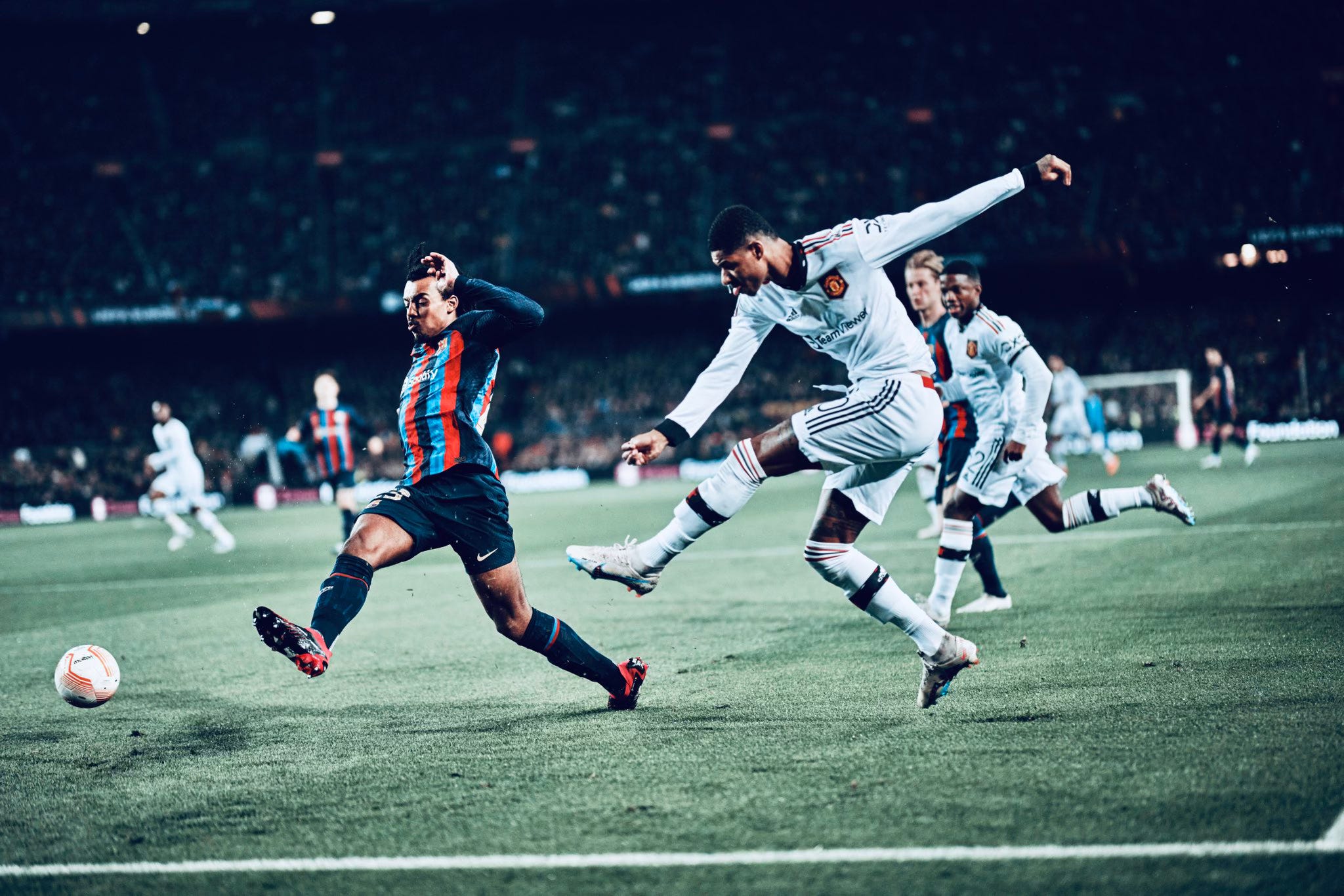
Did Rashford ask to leave? That’s the club’s framing, though it doesn’t quite stack up. Journalist Henry Winter reported that Rashford “has not asked to leave Manchester United,” but accepts he’s not in Amorim’s plans and that “to play again and chase a World Cup spot, a move abroad is likely.”
Back in December, Rashford told Winter: “For me, personally, I think I'm ready for a new challenge… When I leave it’s going to be no hard feelings.”
That interview followed months of the club quietly marketing him around Europe. But once those comments landed, the backlash was swift. Rashford’s camp lost control of the narrative - and United’s version stuck.
He spent the second half of last season on loan at Aston Villa, scoring four and assisting six in 17 games. It was a decent spell, but hardly headline-grabbing. Villa, without Champions League football, didn’t trigger the £40 million option to buy - and it’s unclear whether Rashford would have accepted a permanent move to the Midlands anyway.
For other clubs, the wages are a sticking point. His demands are steep, and most will balk at the total package. A few may be tempted on loan. So while Rashford hasn’t formally handed in a transfer request, the signals are loud and clear: he needs a fresh start. All parties now agree - his time at Old Trafford is over.
Garnacho: Breakout Star to Exit Row
Alejandro Garnacho was once United’s brightest next-generation star. At just 20, he looked like the future. Now? A late substitute in a Europa League final defeat, followed by a 30-second rant in the mix zone and a permanent rupture with the manager. “Up until the final I played every round… today I play 20 minutes, I don’t know. The final will influence my decision,” he told reporters, eyes still fixed on the ground.
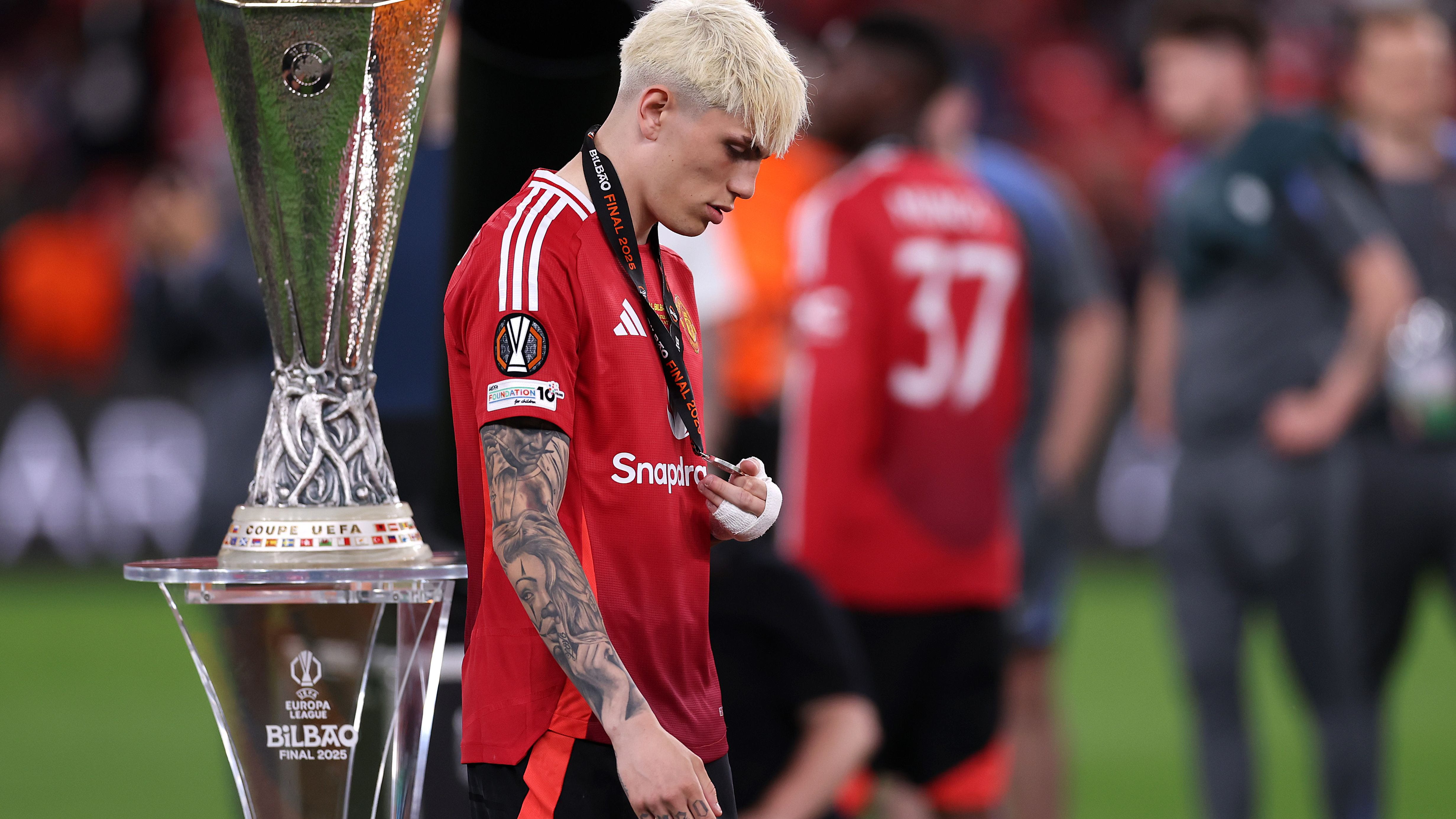
Amorim’s response was anything but subtle. In front of the dressing room, he is said to have turned to Garnacho and snapped: “You better pray that you can find a club to sign you.” The break isn’t just tactical - it is personal.
The rumours haven’t stopped since. Chelsea are reportedly leading the chase, while Napoli and Spurs have been linked in the press, with varying degrees of plausibility. Garnacho hasn’t publicly stated a desire to leave, and there's reason to believe he would have preferred to stay. But the damage is done. He’s painted himself into a corner, and the end is inevitable.
Sancho: Fade-to-Black
When Jadon Sancho arrived at Old Trafford, he was billed as a renaissance man - all trickery, end product, and European pedigree. Four years later, the reality is bleak: zero appearances for the club last season, and a loan spell at Chelsea that offered regular minutes but little to suggest a £25 million permanent deal was worth the punt.
Sancho's reputation has nosedived while United have torched close to £140 million on transfer fees and wages for a player who never came close to justifying the hype.
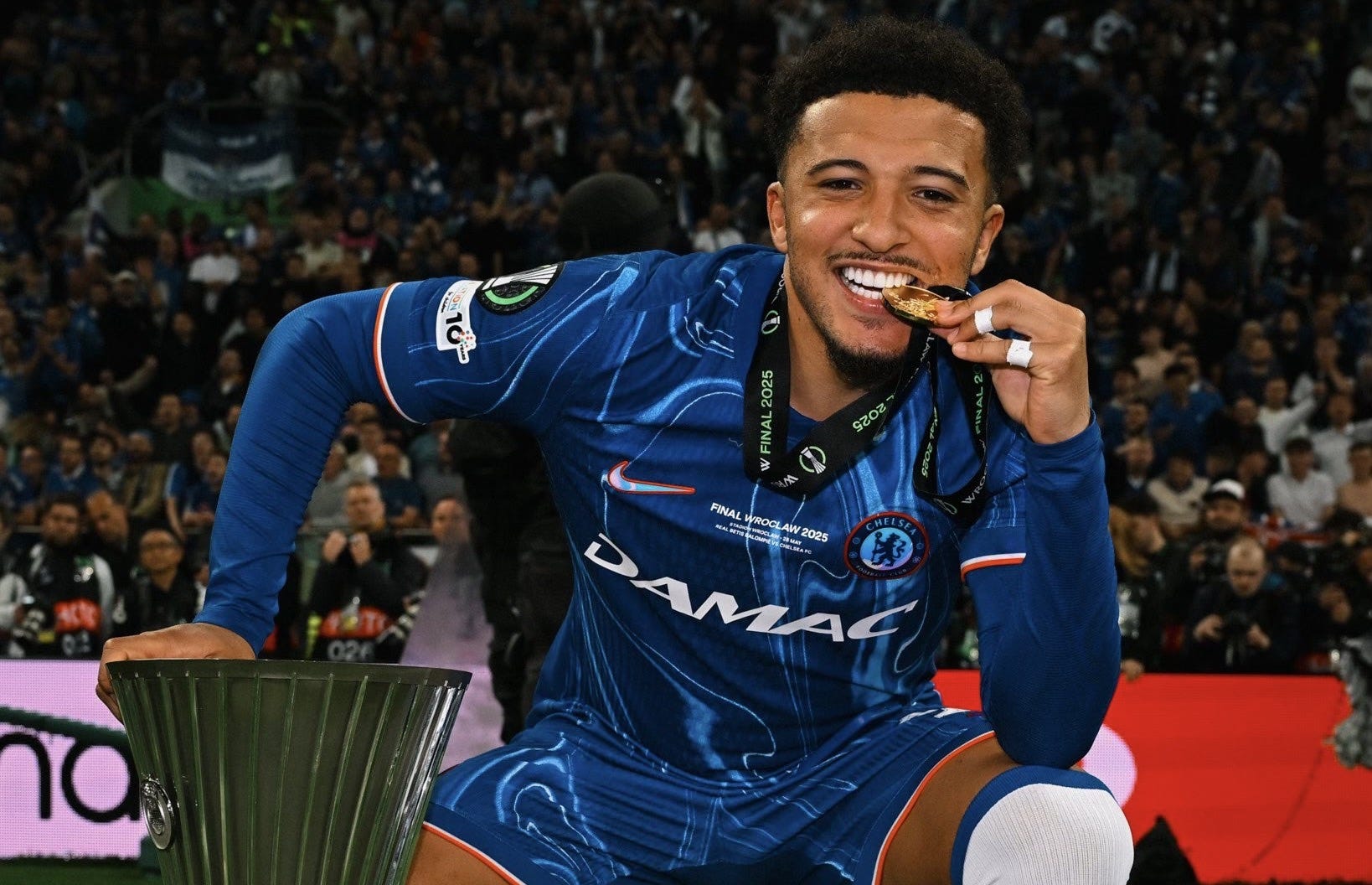
Juventus are reportedly interested in a permanent deal, but his wage demands and lingering doubts over motivation could scupper any progress on that front. Sancho’s star faded long ago. If United want the vultures to bite, they may need to drop the price - again.
Antony: Squint and You’ll Find the Talent
The Brazilian cost United a staggering £82 million, including add-ons - one of several Erik ten Hag indulgences in what is fast becoming the most disastrous managerial reign since Ferguson retired. Antony offered effort, but little end product. A domestic abuse investigation - since dropped - hung over last season, before he was quietly shipped off to Real Betis on loan in January.
Betis are open to a permanent deal, but only if the numbers make sense. That’s far from guaranteed. United would need to bring in over £32 million to avoid triggering an impairment charge and there’s no queue forming at that price. Antony’s true market value this summer? Somewhere between Betis’s patience and United’s willingness to eat their losses.
Malacia: Left Out, Left Back
Tyrell Malacia arrived in 2022 for £13 million as a bright prospect - a young Dutch left-back United pinched from under Lyon’s nose. He showed flashes early on, but his momentum was quickly derailed. Two serious knee injuries and a near two-year recovery have all but stalled his development.
A loan to PSV last season was meant to reboot his career, but he managed just five starts. The Dutch champions declined their £10 million option to buy - a telling verdict.
A revival at Old Trafford looks unlikely. Amorim’s three-at-the-back system demands wing-backs with pace, stamina, and recovery speed. Malacia, post-injury, ticks few of those boxes.
So what now? He’s clearly surplus to requirements, but his injury record will give most clubs pause. Another loan feels like the most realistic - and least disruptive - option.
The Balancing Act: Selling to Survive
With £62 million already spent on Matheus Cunha and a deal for Bryan Mbeumo expected to land in a similar range, United now need to recoup funds - and fast. The lack of Champions League football next season means a smaller squad will suffice, giving Amorim cover to move on from the 'Infamous Five', as well as a couple of fringe players and the three whose contracts expired in July.
The hope inside Carrington is that player sales could generate more than £100 million. Rashford might fetch between upwards of £20 million if the player (or acquiring club) is willing to compromise on wages. Sancho could go for £10 to 15 million - a low-risk punt for someone willing to roll the dice on a player who has barely been a footballer over the past four years. Garnacho is the club’s most valuable asset in the group, and if United can spark a bidding war, £60 million isn’t out of reach. The sales of Anthony Elanga and Noni Madueke set the price floor.
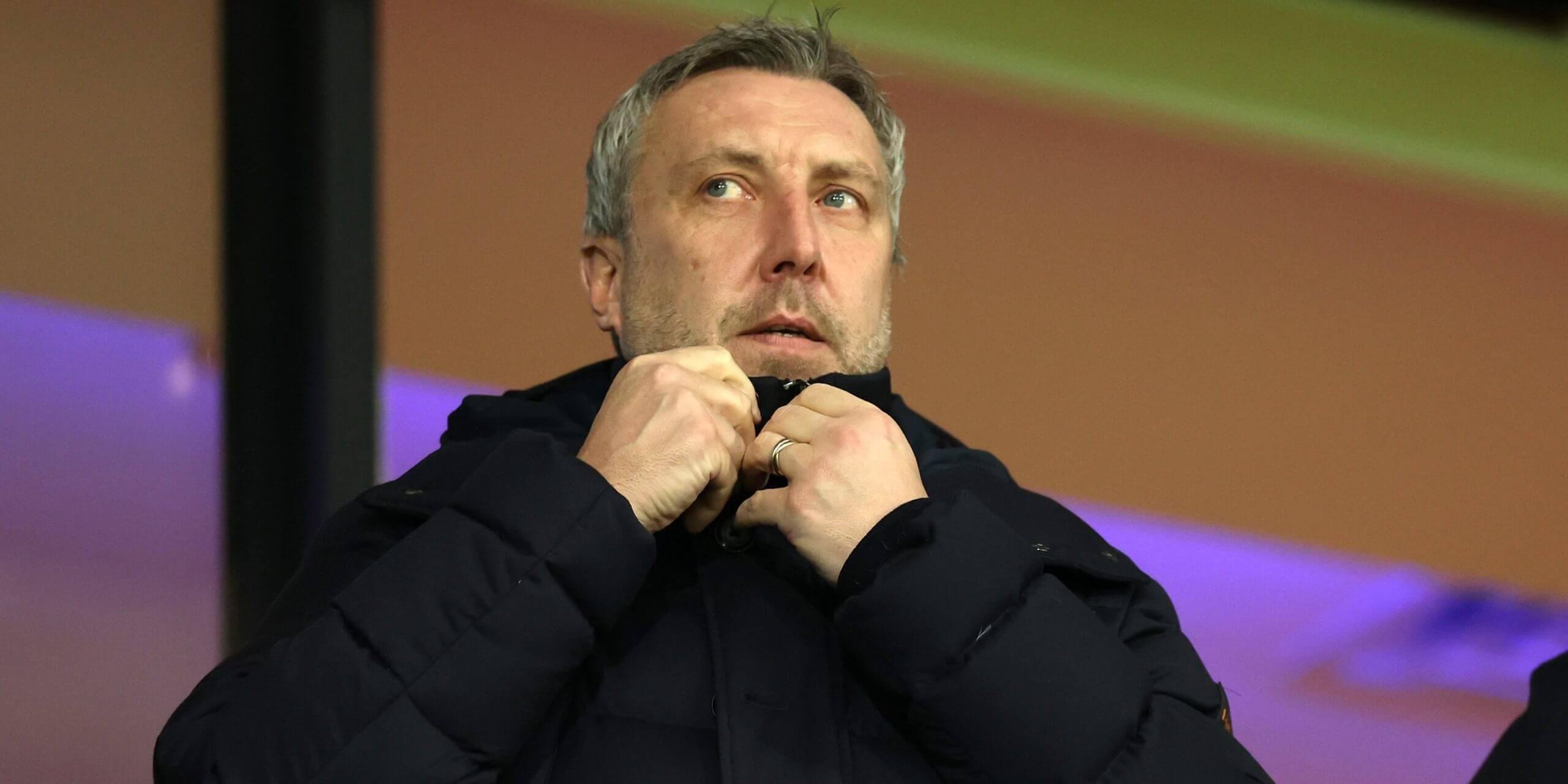
Antony, solid if unspectacular at Betis, might bring in £20–30 million, though his book value is currently at £32 million. Malacia? A £3 million sale would meet his book value and satisfy the bean counters at Old Trafford.
That’s the best-case scenario. Enough to finance a new striker, a starting midfielder, maybe even a long-overdue goalkeeper. The alternative? A bloated, misaligned squad with wages sunk into players nobody wants and a rebuild stalled before it begins.
Because here’s the real risk: United may struggle to find buyers for one, two, or even all of them. Every one of these players has been devalued by a mix of underperformance, injury, wages, or attitude. The club has made no secret of its willingness to sell - and in doing so, may have drained its own leverage. A few loan moves and not much cash would be the worst-case outcome: no rebuild, no reset, and no real change.
Ruben’s “No-Passengers” Revolution
Amorim has made one thing clear: this isn’t a polite reshuffle. No more passengers at Carrington. Pre-season is a meritocracy - you earn your place or you’re on the next flight out of Manchester.
Discipline is non-negotiable. Rashford was dropped for a night out the same week he missed a derby. Amorim is prepared to cut deep, and the club needs it. Arguably, the players do too.
The squad will be trimmed - at least for this season. “Without the Champions League, we don’t need a big squad,” Amorim said recently. That alone is a major shift. This isn’t about depth; it’s about control.
It’s reminiscent of Ferguson’s late-80s reset: ruthless, decisive, and not always popular. But back then, every sale served a purpose. Better to lose a big name than carry dead weight.
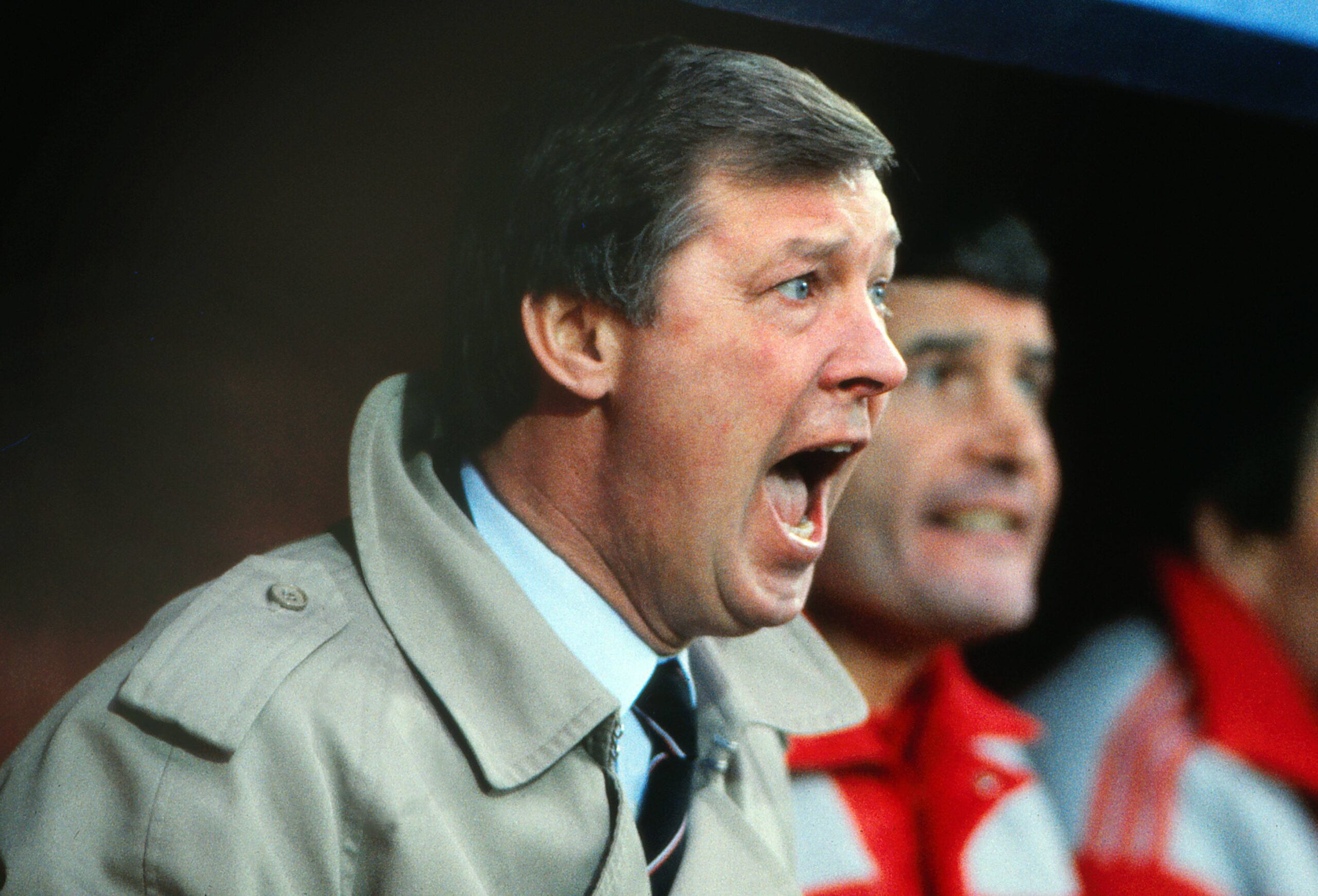
There’s real upside here. Moving the five out could free up over £100 million in transfer fees, plus tens of millions in wages. That cash is needed to plug holes in the squad and fund a striker, a midfielder, and possibly a goalkeeper. It also supports United’s longer-term shift toward a more sustainable wage structure. Fewer overpaid underperformers. More alignment between pay and performance.
If the club pulls it off, the wage bill could shrink dramatically. And while it will still be one of the largest in the league - fifth or sixth perhaps - this would be a meaningful step toward financial stability. That alone would buck the prevailing wisdom that says you must spend heavily to compete.
But this isn’t just about the balance sheet. It’s a signal, to both the squad and the fans: nobody coasts. The club is crying out for accountability, and Amorim is delivering it - harshly, but deliberately.
There is risk though. Rashford and Garnacho may thrive elsewhere. If they do, the pangs of regret will be loud. Losing that many attacking players in one window also shifts the squad’s risk-reward profile. A team already light on flair is now betting heavily on Cunha and, if he arrives, Mbeumo. They’ll need to hit the ground running.
If the replacements flop - or if United are forced into patchwork fixes by mid-season - Amorim will look less like a visionary and more like a zealot. The cultural reset will start to feel performative, not strategic.
But he’s not just clearing space. He’s trading star power for the system. That’s the bet. If the system works, United move forward. If it doesn’t, the rebuild collapses under the weight of its own ideology.
Narrative or Negotiation?
Here’s the spin: the club says the players asked to leave. But that framing is key to owning the story. Rashford, through proxies, insists he didn’t formally request a move - he simply signalled his intentions, which triggered the reaction.
Garnacho’s case is murkier. His camp has been leaning towards an exit for some time, but beyond a pointed Instagram post, there’s been little in the way of public comment.
So is this player-driven or club-driven? It’s both - a collision. But United are determined to control the narrative. When they say “find a new club or stay away,” they’re holding the receipts.
So what happens next - and what do United actually need?
Rashford will likely move late in the window, probably on loan. If Barcelona, United and the player can agree on wages, a loan with an option looks plausible - even if it only kicks the problem down the road until next summer.
Chelsea were leading the chase for Garnacho, but their recent signing of Jamie Gittens complicates matters. The £30 million UEFA fine might have been survivable - the new requirement to operate in surplus this season is not.
Other clubs on the lookout for a left-sided forward? Arsenal, Villa, Napoli, Bayern Munich, and Barcelona. Anyone feeling brave?
Sancho’s move to Juventus appears to be gathering momentum. It makes sense - if he’s willing to trade his massive wages for a longer-term deal. Can Jadon see the light?
Surprisingly, Antony has become the most marketable of the five. United need to recoup just over £30 million to avoid a PSR impairment, and the Brazilian’s lower wages make a compromise almost realistic. A return to Betis is possible. Both club and player want it. But if the fee falls too far below valuation, United may resist. A loan isn’t ideal - but it cuts costs.
And then there’s Malacia. Germany or the Netherlands might offer a way out, if anyone’s willing to gamble on his long-term fitness.
In the end, United may end up subsidising all five in some fashion. One way or another, the club is paying to clean up its own mess.
Epilogue: “Do You Want The Truth?”
This is more than a transfer window. It’s shock therapy. United have made a very public declaration: this is who we are now. Leaner, more ruthless, and obsessed with results. That’s the vision. And that’s the gamble too.
If Amorim and the club pull it off - trophies, a clearer identity, a talent pipeline with purpose - then this summer’s purge will look prophetic. A turning point towards future success. If not, United will find themselves paying off players they couldn’t sell, with a thinner squad and an even longer road back to relevance.
This is Amorim’s line in the sand. His message to the five is about more than discipline - it’s a cultural redefinition. United are clearing space: financially, symbolically, and very literally.
Of course, it could blow up. Football history is full of managers who tried to impose a new culture and ended up burnt out and empty-handed. But this feels different. Pre-emptive, not reactive. Controlled, not desperate.
If the exits deliver fresh energy, funds, and players who actually fit the system, this could be the start of something lasting. If not, the 'Infamous Five' will go down not as the start of a new era, but as another footnote in United’s long, slow decline - from crisis on the pitch to crisis in the books.
Fergie wasn't around United in the early 80s.
Well I'm concerned that United are Inthis position, but until the ownership model changes our decline will continue.